Life Coaching
What is a Life Coach?
Create the Life You Want!
Kitchen Coaching
Kitchen Classes
Consulting Questionnaire
Contact
Learn to Cook
Recipes
Videos
Kitchen Jargon
Kitchen Tools
Tips for the Table
All About Grilling
The I Love to Cook Book
Lauren’s Take
Audio Tips
Blog
About Lauren
Contact
What are you looking for?
SEARCH
Delicious
You are enough.
How to feed your sourdough starter right!
Disappointment
How Religious are You?
Some foods to always have prepared and ready.
Corn
0
0
votes
Article Rating
Subscribe
Notify of
new follow-up comments
new replies to my comments
Label
{}
[+]
Name*
Email*
Website
Label
{}
[+]
Name*
Email*
Website
0
Comments
Inline Feedbacks
View all comments
Post navigation
« Corn
Get in touch with me
If you're interested in one of my services, or you'd just like to reach out about a recipe or an ongoing struggle in your life, please do so. I read each and every message personally.
About Lauren
Home
Privacy Policy
© 2018 Lauren Groveman. All rights reserved. Site by
Deyo Designs
As an Amazon Associate, I earn money from qualifying purchases.
Name
*
Email
*
Phone
Topic of Interest
*
Message
Hidden
Page
What is 4+4?
CAPTCHA
Name
This field is for validation purposes and should be left unchanged.
Life Coaching
▼
What is a Life Coach?
Create the Life You Want!
Kitchen Coaching
▼
Kitchen Classes
Consulting Questionnaire
Contact
Learn to Cook
▼
Recipes
Videos
Kitchen Jargon
Kitchen Tools
Tips for the Table
All About Grilling
The I Love to Cook Book
Lauren’s Take
▼
Audio Tips
Blog
About Lauren
Contact
wpDiscuz
0
0
Would love your thoughts, please comment.
x
(
)
x
|
Reply
Insert











 Delicious
 You are enough.
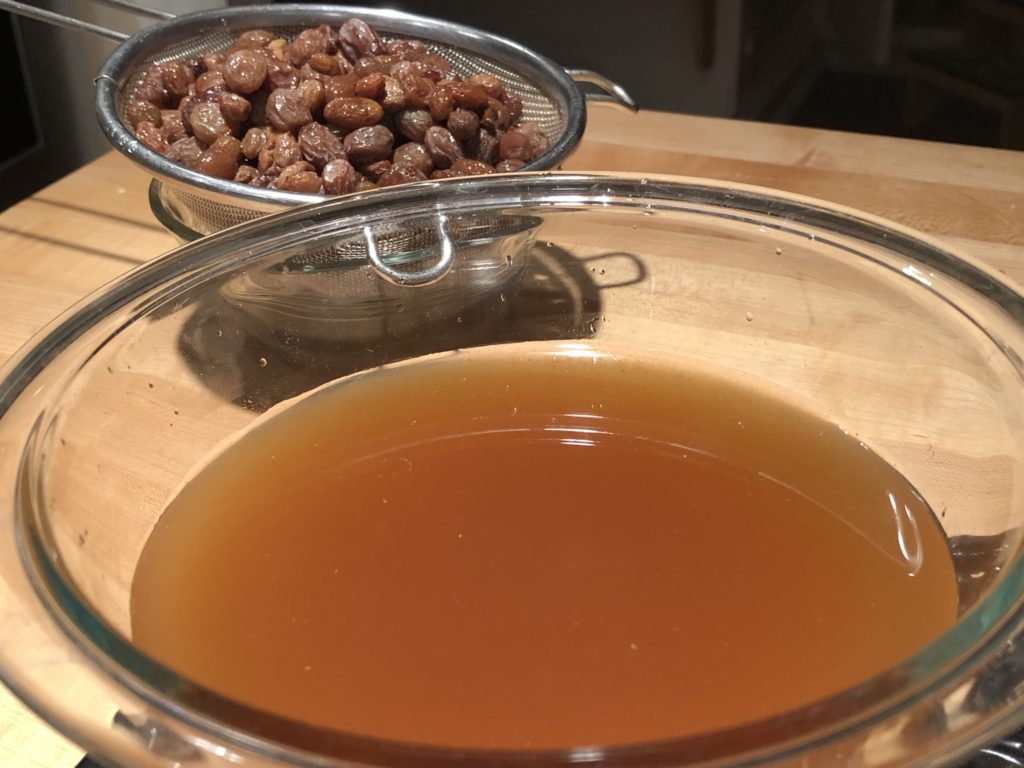 How to feed your sourdough starter right!
 Disappointment
 How Religious are You?
 Some foods to always have prepared and ready.